by Liban Obsiye
Sunday, July 28, 2019
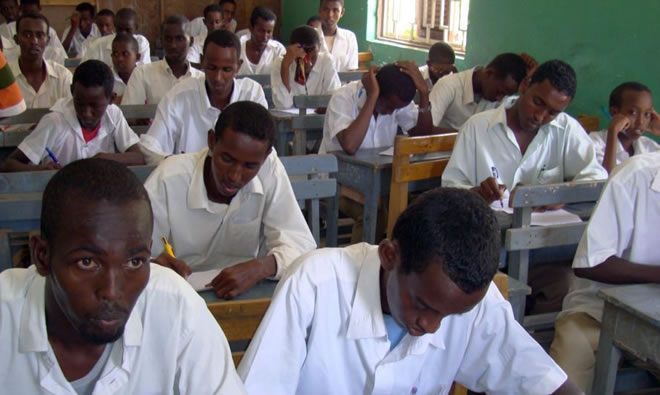
Somalis everywhere value education. Every parent wants a genius child who will be a triple PhD and the President of Somalia one day. This is very unlikely for the majority of us but for those who can do this, there should be no dampening their spirits. Go for it. If, like me, you were a normal student sailing through rough academic seas, you would appreciate the importance of hard work and self-discipline to sit in a library when there are a thousand more interesting things happening around you. Yet, education is not just about college, university or recognized professional qualifications: it is about developing key skills in whatever one seeks to study. It is also about bettering your own understanding of who you are, what you are capable of and building networks to succeed.
A key skill for all students is to be able to think. Yes, simple, just THINK. What am I been taught? Do I understand? Do I agree? Can I relate to what I am learning? These key questions need thought and analysis and the answers one finds is often unique and enlightening. Therefore, what makes learning interesting is thinking independently and not just swallowing the textbook whole like many students do in Somalia. Textbooks are simply a guide and a base from which to build on, they are not definitive. Teachers are also not always right or the only people who have the answers to how the world works. In fact, the best teachers are also lifelong students and welcome new ideas. Questions and independent thought are the basis of innovation. Educators who do not welcome these should not be in teaching.
Education policy in Somalia appears to be taking shape and there is a new focus on Human Capital investment and addressing socio-economic fragility development by the Somali Federal Government and the development partners including the International Financial Institutions and bilateral and multilateral development partners. This support is timely as Somalia is desperately behind in the Human Capital indexes but what is needed is a fundamental review of the quality of Somali private education institutions and their modes of educational delivery since they are all the country has. The long term policy issues of curriculum development, teacher training and skills assessment can be done alongside this more urgent priority. However, the Somali students must not wait for their schools, universities, technical institutes and the private sector to make reforms; instead they should be setting the agenda. How? THINK!
Thinking will allow Somali students to improve their educational experiences. Is what I am been taught right? How do they teach this subject elsewhere? Who is teaching me? Can I make a contribution from my own experience? These questions will improve education more immediately than the federal government led policy reviews because it is driven by the student, the consumer and most valuable stakeholder of the educational institutions. The customer is always right and, as customers, students must think and then work on how to get a better value for their money. Given the amount of donor money spent on capacity building in Somalia currently and the future the nation can look forward to if debt relief is attained, there is and will be opportunities but only for the best and most ambitious. Are Somali students the best they can be now? This needs analysis and thinking and then, action to improve the way education functions in Somalia. If education is light as the Somali proverb goes, then the students are the electricity grid which brightens it, if only they knew.
The author welcomes feedback through the below means;
[email protected]
@LibanObsiye