
Wednesday, July 13, 2016
By: David Pilling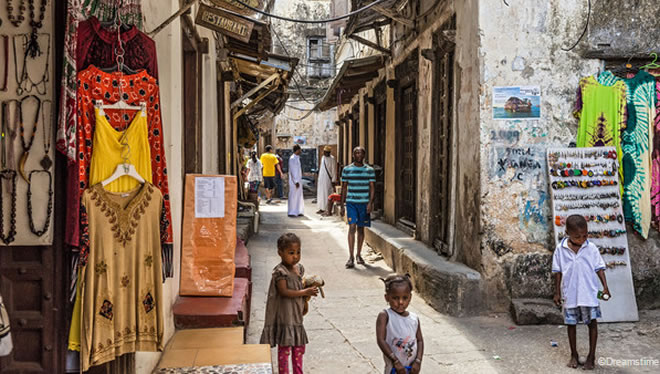
In Stone Town, the historic centre of Zanzibar City, people are still talking about politics months after the elections were supposedly settled. In the warren of streets, the complex history of the semi-autonomous archipelago, home to 1.2m people, is on full display. People of Omani, Indian and Persian origin rub shoulders with Africans from the mainland. A museum in the centre of town bears witness to the archipelago’s active participation in the slave trade. The tight alleyways are crammed with palaces, churches and mosques.
Zanzibar, which joined Tanganyika in 1964 to form the union of Tanzania, has been seething with political tension for years. Formed by two main islands — Unguja and Pemba — it has its own president and parliament. Elections have often been fraught. In 2000, some 35 people were killed after police shot into a crowd following a contested poll. There were further fatal clashes in 2005.
Tensions bubbled to the surface again last year when the electoral commission annulled October’s election on the grounds of alleged irregularities. The main opposition candidate for president, Maalim Seif Sharif Hamad of the Civic United Front, declared himself the winner. His party, which said it had won the election easily, boycotted the re-run, held in March. That was duly won — with 91 per cent of the vote — by the candidate from the ruling Chama Cha Mapinduzi party, Ali Mohamed Shein.
Internationally, the election is regarded as a serious blot on Tanzania’s copybook. Most foreign diplomats refuse to interact with Zanzibar’s new government. The Millennium Challenge Corporation, a US government aid agency, cancelled a $470m project in Tanzania in protest. The agency said the elections were “neither inclusive nor representative” and accused the government of stifling freedom of expression.
The stand-off has raised fears of radicalisation of Zanzibar’s Muslim majority population. Jennifer Cooke, director of the Africa Program at the Center for Strategic and International Studies in Washington, says Zanzibar, with a median age of just 16, is a potential recruiting ground for al-Shabaab, the Somalia-based terrorist group. Zanzibar, she says, has all the ingredients of militancy, including poverty, unemployment and inequality. “Once the radicalisation genie slips out of the bottle, it is very difficult to put it back in,” she adds.
Abdulrahman Kinana, secretary-general of Tanzania’s ruling CCM party, denies the elections were unfair and says his party is “legitimately running Zanzibar”. He adds: “The island is very different from the mainland. I would say politics is like a religion.”
Fatma Karume, granddaughter of Zanzibar’s first president, says the situation is explosive. “Zanzibar has never wanted to lose its identity. Now we are being swallowed up.”