
Friday, February 01, 2008
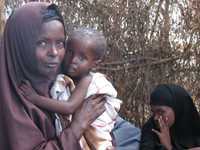 |
| Photo: IMCA two-year child clutches to his grandmother after fighting forced the two to flee their homes two months ago. His grandmother describes that ever since he arrived at the resettlement camp, he has been sick, struggling with pneumonia, diarrhea, and vomiting. Photo: IMC Copyright 2008 |
advertisements
Every child coming to the clinics has her height and weight measured. The most severe cases of malnutrition like Xaawo will be referred to inpatient facilities run by partner organizations. Within the next few weeks IMC will provide nutritional support to children with severe malnutrition who can still be treated as outpatients.
"People have settled along the road and many women and children cannot travel the distances to the next health facility," says Patrick Mweki, IMC country director in Somalia, who recently visited Afgoye. "We must provide support to children who are sliding into malnutrition closer to where they are currently staying."
Humanitarian assistance from international and local NGOs is reaching the displaced, but the demand is overwhelming. Families sleep up to ten people in huts made from sticks, plastic sheets, and bits of fabric that hardly protect them from the sun and the dust. Although latrines have been built, more than 40 people share one outhouse, in some places even more. Lack of hygiene and clean water have made diarrhea cases among young children increase dramatically. "We are concerned about this trend because diarrhea causes severe malnourishment and we are seeing more and more of it with young children," says Mweki.
Whenever the Ethiopian-supported government forces and insurgents clash in Mogadishu, a new wave of people flee the capital to Afgoye. Nobody here believes that they will return soon. About three months ago the fighting came right to Asha Ujub's home. When a mortar landed only yards away from her house the family of ten packed what they could carry and left. "A lot of people died in just one day," she says. "I don't think I will go back. We don't have enough water, food, or shelter. But it is better than the fighting in Mogadishu."
Source: IMC, Feb 01, 2008