March 22, 2006
BY Lord Victor Adebowale
Use of ‘chewing drug’ needs to be addressed
I was encouraged by the fact that last week’s issue of The Voice (March 13) sought to extend the debate around khat and raise awareness of some of the issues surrounding this rarely discussed drug, which remains legal in the UK.
At the social care organisation Turning Point we have done extensive work into the drug and its effect on individuals and communities.
There is a debate to be hold about how the government should tackle the drug and make a difference for those people who are experiencing problems from using it.
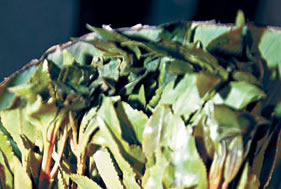
Firstly, for the many people who don’t know, what is khat? A dark green leaf, it has been chewed or drunk in the Muslim cultures of Somalia, Ethiopia and Yemen for centuries. There, men – it is less common for women to chew khat – meet in the late afternoon, after a day's work, and chew for a couple of hours, once or twice a week.
But many people in the Somali communities who have moved to the UK are seeing these patterns change and (combined with other social factors), become increasingly problematic.
Khat is a serious issue. Its use can damage both the people who chew it and communities as a whole. Somali, Yemeni and Ethiopian communities in the UK, where khat chewing is widespread, are particularly affected.
Is khat dangerous? If used in moderation, khat creates a feeling of wellbeing. However, there is evidence that habitual chewers can become psychologically dependent on the drug and suffer from depression, paranoia, mood swings and aggression. There are also physical side effects – including tonsillitis, mouth infections and hernias.
At Turning Point we recently researched khat use in the Somali, Yemeni and Ethiopian communities in the UK. The research involved dozens of interviews with health care professionals and people in the communities. The research revealed that khat misuse is linked to other social problems such as mental health issues, poverty, unemployment and poor housing. Tackling these problems must be the priority, rather than focusing on making khat illegal.
During our research, 82 per cent of the people interviewed chewed khat; none had had direct contact with drug treatment or mental health services. Our research also exposed a lack of community initiatives working to tackle the issue.
Turning Point wants the government to fund one-stop shops with housing, employment and benefit advice combined with drug awareness and treatment services. We think a programme to help healthcare professionals have a better understanding of the issues surrounding khat misuse and to build stronger links with local communities should be developed. Both these practical measures would directly improve the lives of people in the affected communities.
The government’s focus must be on working with the communities where khat is being used and delivering effective health education programmes: This is how to make a difference.